

'/%3E%3C/svg%3E)


Varför ska barn lära sig den analoga klockan?

I en värld där vi ständigt omges av digitala skärmar och smarta enheter känns den analoga klockan nästan som en relik från en svunnen tid. Men visste du att många barn idag faktiskt har svårt att tyda en vanlig väggklocka? Vissa skolor har till och med börjat byta ut analoga klockor mot digitala eftersom eleverna inte kan läsa av dem – något som rapporterats i bland annat The Telegraph.
Men varför är det egentligen viktigt att barn lär sig den analoga klockan? Är det bara en gammal vana, eller finns det något mer värdefullt i den lilla urtavlan med sina snurrande visare?
3 Reasons to stick with analog watches

01
It helps kids understand time better
An analog watch provides a visual representation of time passing. Kids can see how the minute hand moves, how an hour is divided into quarters and halves, and how time flows. This builds a deeper understanding compared to simply reading “14:45” on a digital screen.
02
It improves math skills
Reading an analog clock requires problem-solving. Kids learn to count, understand number relationships, and recognize patterns. When is the next full hour? How long until recess? These small challenges help strengthen logical thinking without them even realizing it.
03
It is still a part of everyday life
While digital clocks are common, analog watches haven’t disappeared. They are found in classrooms, train stations, and many homes. Plus, let’s not forget classic wristwatches—because looking stylish with a traditional watch beats wearing a smartwatch, right?
How to make learning time fun for kids
If your child finds clock hands confusing, here are some easy ways to make learning fun:
01
⏰ Give them a real watch
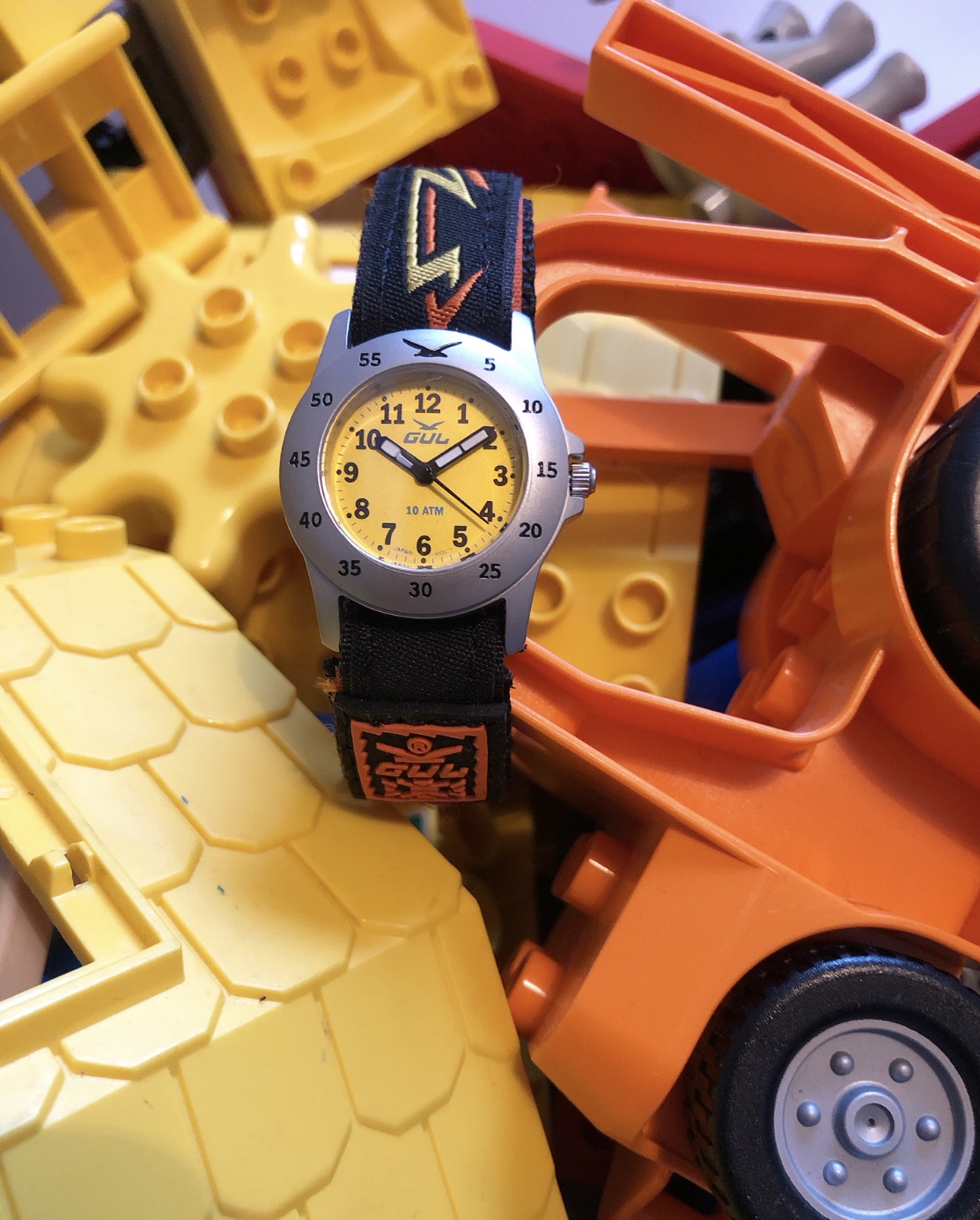
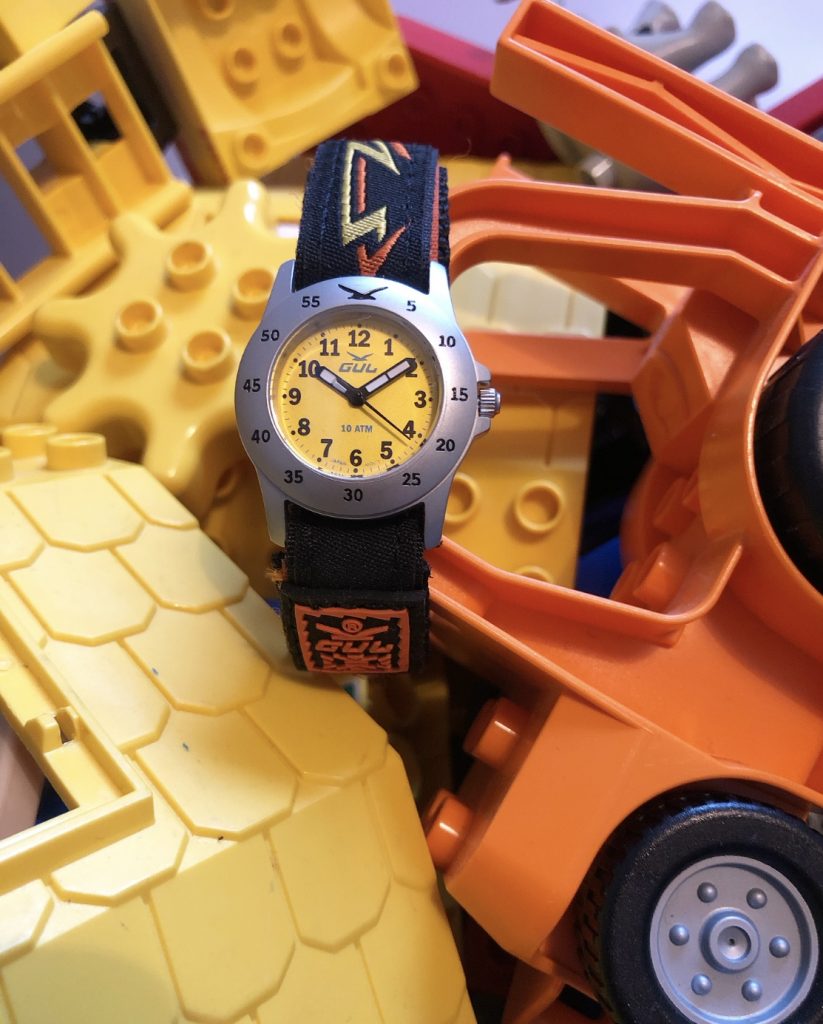
A wristwatch is a great way for kids to interact with time in daily life. A colorful and fun design makes it even more exciting. (Hint: Gul Watches has models kids love!)
02
🎲 Turn it into a game
Use a toy clock and let your child move the hands. Ask questions like, “When is ice cream time?” or “How long until we go outside?””
03
📱 Use apps and games
There are many interactive apps that make learning fun, some even work like mini video games where kids earn points for setting the correct time.
03
🕰️ Put up a wall clock at home
If all the clocks at home are digital, how will kids practice? Make sure to have a clear analog clock in the kitchen or living room where they can check the time daily.
Learning to tell time isn’t just about reading numbers—it’s about understanding time itself. And even in today’s digital world, there’s something special about an analog watch. It takes a little more effort to learn, but the reward is worth it.
And who knows? That first colorful wristwatch might just spark a lifelong love for watches! 😉